AT Michela Design Canada.com Practical Benefits of Hearing Aid Headbands for All Ages
- Mario Minichillo
- Dec 8, 2025
- 4 min read

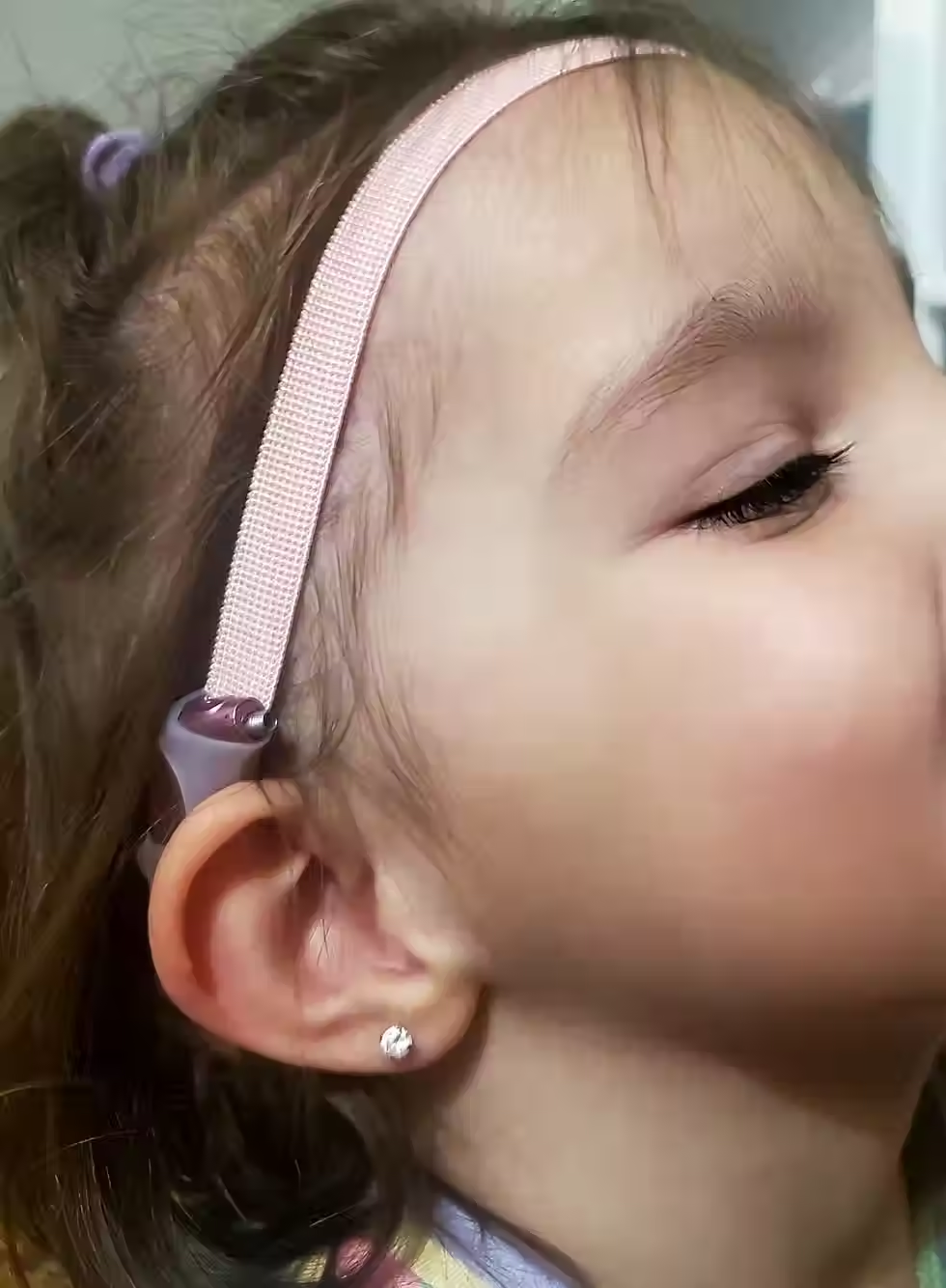
Hearing aids and cochlear implants are essential tools that improve the quality of life for many people. Yet, one common challenge remains: keeping these devices secure and comfortable throughout daily activities. Hearing aid headbands offer a simple, effective solution to this problem. Designed for all ages, including infants, seniors, and everyone in between, these headbands provide a practical way to prevent loss and damage to hearing devices. This post explores the key benefits of hearing aid headbands, including options for cochlear implants and Baha devices, and offers useful tips on choosing and using them.
Why Hearing Aid Headbands Matter
Losing or damaging hearing aids and cochlear implants can be costly and frustrating. Seniors, children, and active users often face the risk of devices slipping off or getting misplaced during movement. Hearing aid headbands address this by providing a secure, comfortable fit that keeps devices in place.
These headbands are especially helpful for:
Infants and toddlers who are still learning to keep devices on
Active adults who need stability during exercise or outdoor activities
Seniors who may have difficulty adjusting or remembering to check their devices
By reducing the risk of loss, headbands help users maintain consistent hearing support, which is crucial for communication and safety.
Features That Make Hearing Aid Headbands Effective
When selecting a hearing aid headband, certain features stand out for their practicality and comfort:
Non-Slip Design
A non-slip surface is essential to keep the hearing aid or cochlear implant from sliding off. Many headbands use soft silicone or textured fabric on the inside to grip the skin or hair gently but firmly. This feature is especially important for active users or those with fine hair where devices tend to slip easily.
Adjustable Plastic Fasteners for Easy Use
Adjustability ensures the headband fits snugly without being too tight. Plastic fasteners allow users or caregivers to customize the fit quickly. This is helpful for growing children who need size changes or seniors who prefer a looser or tighter fit depending on comfort.
Availability in All Sizes
Hearing aid headbands come in a wide range of sizes, from infant to adult. This inclusivity means families can find the right fit for every member, ensuring that even the youngest users can benefit from secure hearing support. Some brands offer stretchable materials that adapt to different head shapes and sizes, adding to their versatility.
Options for Cochlear and Baha Devices
Hearing aid headbands are not limited to traditional hearing aids. They also accommodate cochlear implants and Baha (bone-anchored hearing aids) devices. These devices often have different shapes and attachment points, so headbands designed for them include special cutouts or reinforced areas to hold the equipment securely without pressure.
For example, cochlear implant headbands often feature a padded area behind the ear to protect the implant’s external processor. Baha headbands may have a more rigid structure to support the bone conduction device firmly.
Practical Gifts and Stocking Stuffers
Hearing aid headbands make thoughtful, practical gifts for anyone who uses hearing devices. They are affordable, useful, and come in various colors and patterns to suit personal style. For families with multiple users, gifting headbands can be a way to show care and support for loved ones’ hearing health.
During holidays or special occasions, headbands fit perfectly as stocking stuffers or small presents. Their usefulness means they won’t be forgotten in a drawer, and they can help prevent costly replacements by keeping devices safe.
Tips to Prevent Loss of Hearing Aids and Implants Using Headbands
Keeping hearing devices secure requires more than just wearing a headband. Here are some practical tips to maximize their benefits:
Choose the right size: A headband that is too loose won’t hold devices securely, while one that is too tight can cause discomfort. Measure head circumference and consult sizing guides before purchasing.
Use headbands with adjustable fasteners: This allows for quick adjustments throughout the day as needed.
Select materials that suit skin sensitivity: Soft, breathable fabrics reduce irritation, especially for seniors with delicate skin.
Regularly check the fit: Head shape and hair volume can change over time, so periodic adjustments help maintain security.
Combine with other accessories: Clips or retainers can be used alongside headbands for extra security during vigorous activities.
Educate caregivers and family members: For infants and seniors, having others aware of how to use and adjust headbands ensures devices stay in place even when users cannot manage them alone.
How Seniors Benefit from Hearing Aid Headbands
Seniors often face unique challenges with hearing devices. Reduced dexterity, memory issues, and sensitive skin can make managing hearing aids or cochlear implants difficult. Headbands simplify this by:
Reducing the need for constant adjustments
Preventing accidental drops or loss during daily routines
Providing a comfortable, secure fit that avoids pressure sores
Helping caregivers assist with device management more easily
In our experience, seniors who use hearing aid headbands report feeling more confident wearing their devices, which leads to better hearing consistency and improved social interaction.
Choosing the Right Hearing Aid Headband
When shopping for a hearing aid headband, consider these factors:
Device compatibility: Ensure the headband fits your specific hearing aid, cochlear implant, or Baha device.
Material: Look for soft, breathable fabrics that won’t irritate the skin.
Adjustability: Features like plastic fasteners or Velcro straps allow for a custom fit.
Size range: Confirm availability for your head size, especially for infants or children.
Style and color: Choose a design that matches personal preferences or daily wear.
Trying different options may be necessary to find the best fit and comfort.


Comments